Product List
Non-Woven Roll Series
Non-woven Roll
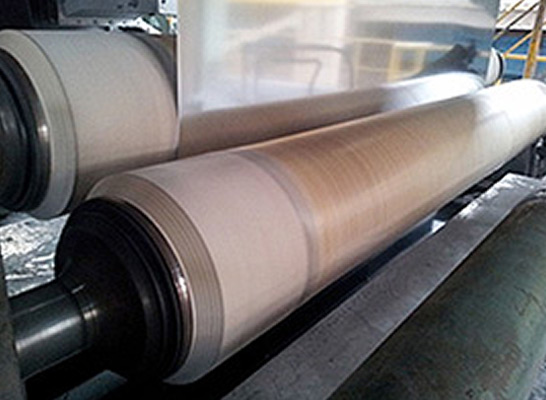
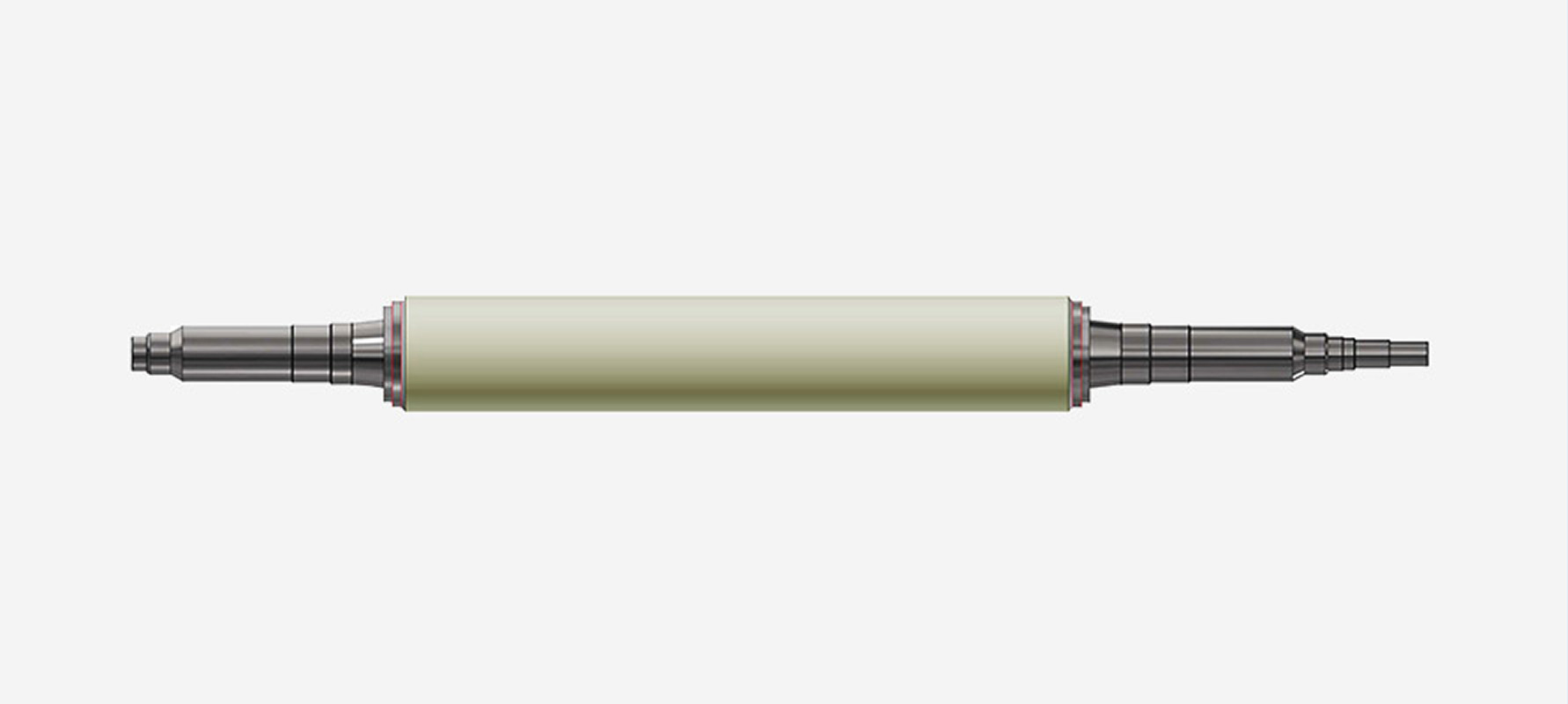
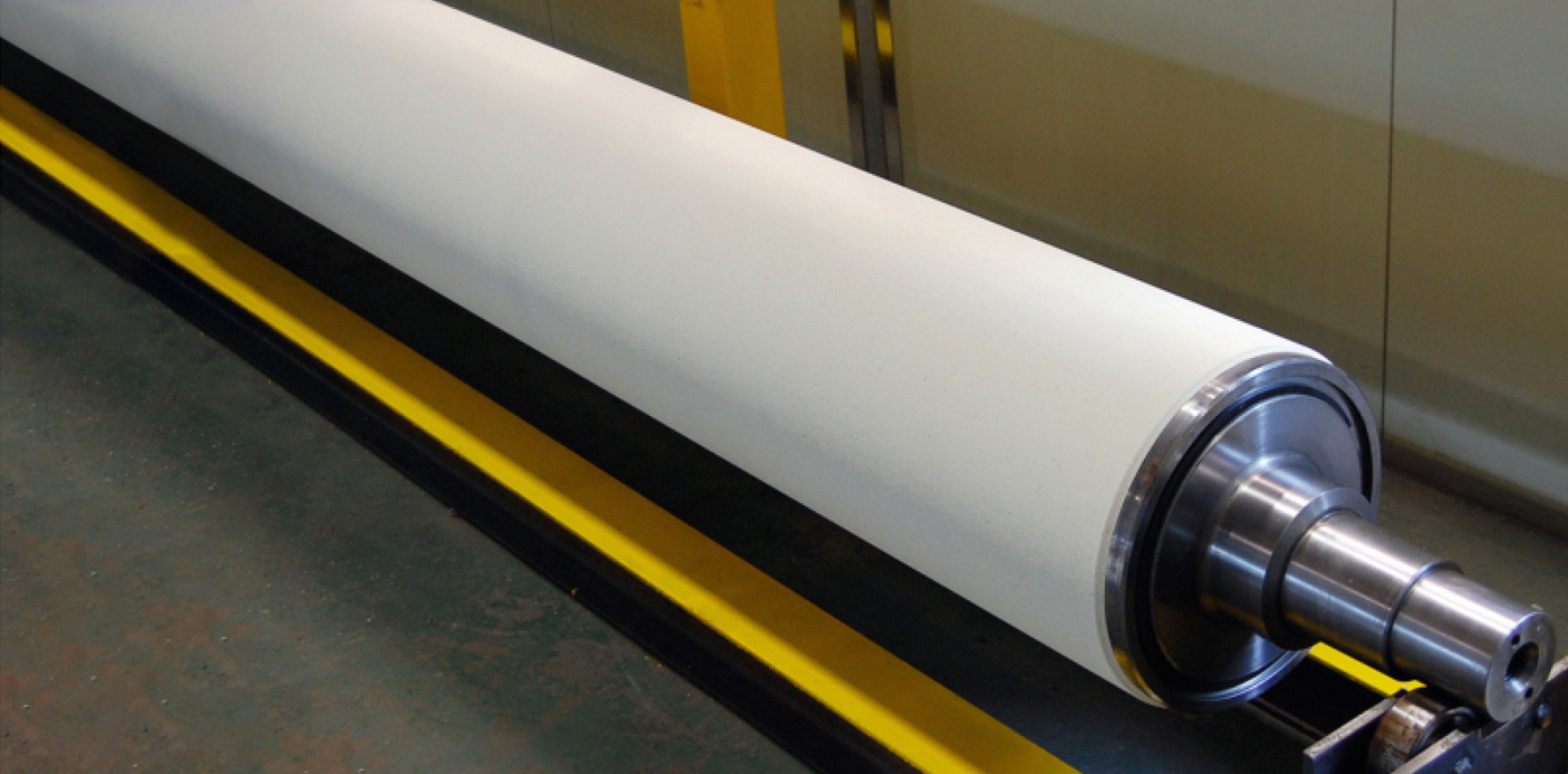
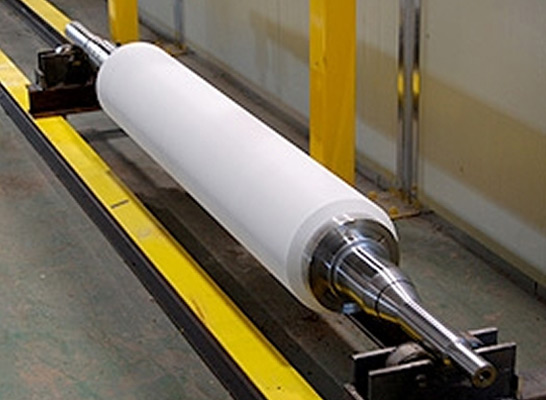
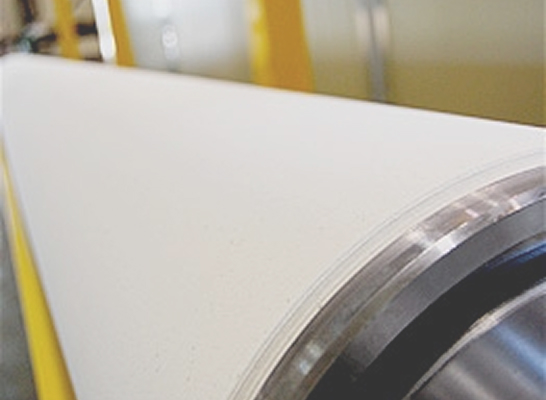
The Non-Woven Roll is manufactured by layering and pressing Non-Woven material onto a Roll Shaft. The material composition of the Non-Woven fabric and the pressing method of the roll can be tailored to meet the specific requirements of various industries and applications.
KRST supplies Non-Woven Rolls to a diverse range of industries in Korea, including steel, automotive, metal, film, and paper, through strategic partnerships with TOHO-YOGYO (Japan), NCCM (USA), and its own in-house fabric production developed through advanced proprietary technology.
Product Principle
| Features | Description | Expected Benefits | Applications |
|---|---|---|---|
| High Friction Coefficient | Non-Tex Roll: 0.28 (Dry), 0.24 (Wet) Rubber Roll: 0.16 (Dry), 0.08 (Wet) |
Prevents strip slippage, enabling high line speeds. | Tension Bridle, Pinch, Support, Steering, Guide, Deflector Roll |
| High Shearing Stress | Non-Tex Roll: 1,280 kg/cm² Rubber Roll: 600–700 kg/cm² |
Reduces roll edge damage, extends roll lifespan, and lowers maintenance costs. | Support, Feeder, Table, Wringer, Loop Rolls |
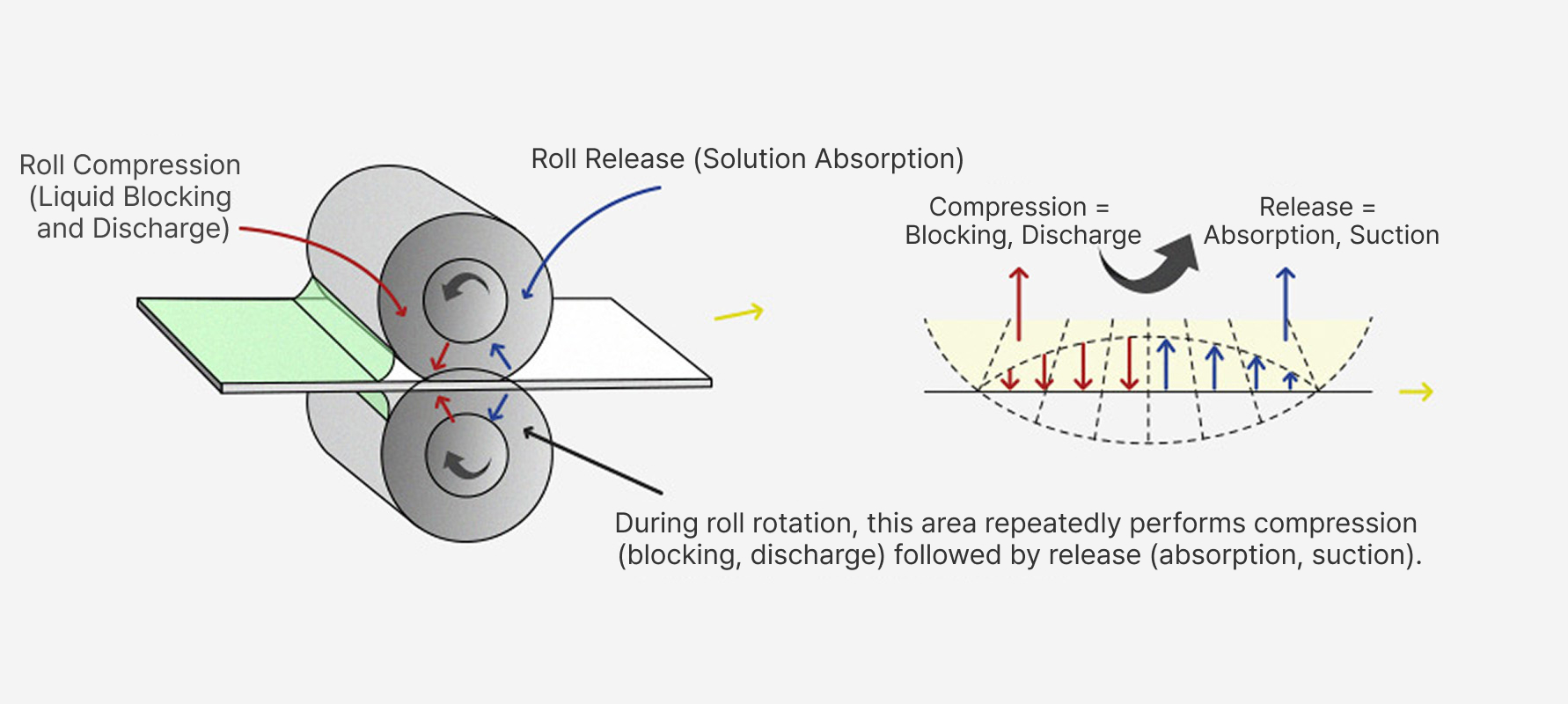
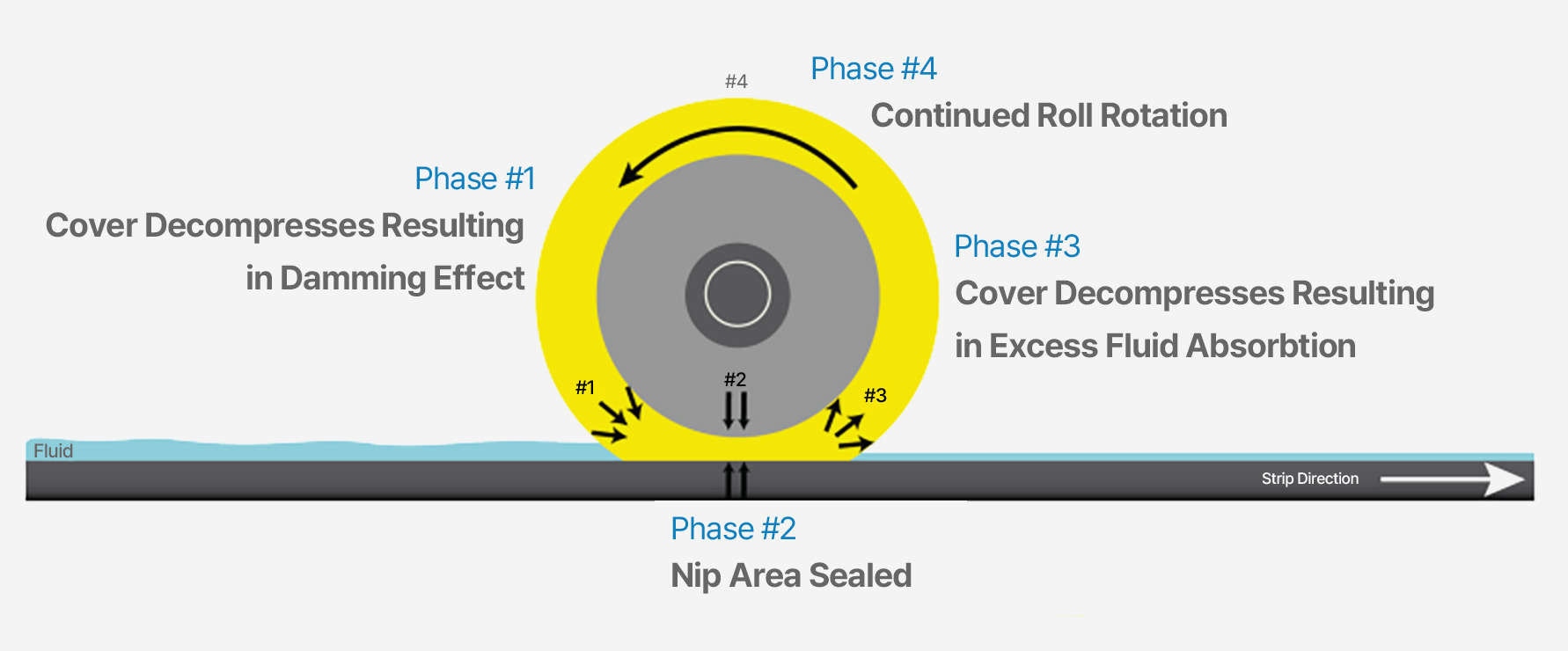
| Superior Wringer Effect | Absorbs and expels the solution during each roll revolution for perfect wringer effects. | Achieves precise wringing and squeezing on both strip surfaces and edges. | Wringer, Squeeze, Pinch, Wiper Rolls |
| Clean Strip Surface (No Marks or Defects) | Foreign particles are embedded between stacked disks, ensuring no dents, scratches, rubber powder, oil stains, or carbon deposits. | Results in a perfectly clean strip surface. | Wringer, Squeeze, Table, Support, Pinch Rolls |
| Excellent Chemical and Alkali Resistance | Outstanding chemical resistance (acid and alkali resistant). Non-Tex material composition can be customized based on application. | Extends roll life and enhances roll performance due to superior chemical resistance. | Various rolls requiring high chemical resistance. |
| Various Usage | Highly adaptable to a range of industrial applications. | Provides effective solutions for existing line challenges. | Various Usage |
Non-Woven Roll
Fabric Material and Characteristics
| Material | Characteristic | Manufacturer |
|---|---|---|
| OW-90H | Wringer (Oil, Water), NBR fusion | Toho Yogyo (Japan) |
| WR92 | Ultra-fine fabric for vacuum rolls | Toho Yogyo (Japan) |
| PC-97, PC-67 | Wear resistance, Wringer (Oil, Water) | Toho Yogyo (Japan) |
| PC-A | Wringer (Oil, Water), NBR fusion | KRST (Korea) |
| PC-W, PC-D, PC-S | Wringer (Oil, Water), urethane fusion | KRST (Korea) |
| PC-U24 | Ultra-fine fabric for vacuum rolls | KRST (Korea) |
| Premier Yellow | Wringer (3N~11N) | NCCM (U.S.A) |
| N-Series (N2, NT, NS) | Wringer (3N2~9N2), Low Pressure & Soft Touch | NCCM (U.S.A) |
| CX-Series (CX, CX Plus) | Chemical resistance (PH0~PH14) | NCCM (U.S.A) |
| R-Series (RU, RK) | Durability (Table Roll, Tension Bridle Roll) | NCCM (U.S.A) |
Expected Benefits
-
Clean : Quality Improvement
- No Scratch, No Dent: Foreign particles are absorbed into the roll body, reducing scratch and dent occurrence.
- No Rubber Powder: No rubber powder generated by strip-edge burrs.
- Slip Mark: No slip marks even at high line speeds due to zero strip slip.
- Oil Stain, No Carbon Deposit: Complete wringer performance removes all surface contamination, ensuring a clean strip surface.
-
Efficient : Productivity Increase
- Reduced roller replacement frequency improves productivity and roller maintenance efficiency.
- Lower defect rates increase yield.
- Higher line speed capability boosts productivity (stable at 500–600 MPM, with no slip even up to 1600 m/min).
- Significant improvement in productivity for oiled products, enabling maximum throughput.
-
Saving : Cost Reduction – Total Maintenance Cost Reduction
- Long service life: 4–8 times longer than conventional rolls, reusable after surface regrinding, reducing maintenance cost.
- Oiling efficiency: Excellent fiber adhesion enables uniform oil coating. Over-coating at the edge or coil
- slip is minimized, reducing oil loss. Oil usage is cut to approximately half compared to conventional rolls.
-
Safe : Accident Prevention
- Prevents slipping accidents in the yard caused by excessive oil, ensuring a safer and cleaner work environment.
- No strip slip and fewer roll replacements reduce accident risks, supporting a safe workplace.
Application Line
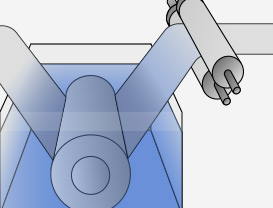
- Post-pickling Rinse Outgoing Wringer Roll, Pre-treatment Outgoing Wringer Roll
- Water Quenching Outgoing Wringer Roll, SPM Post-process Wringer Roll
- Post-plating Processing Outgoing Wringer Roll
- Excellent moisture removal effect, minimizes water retention on edge areas
- 3 to 10 times longer lifespan compared to existing rolls (Rubber, Urethane)
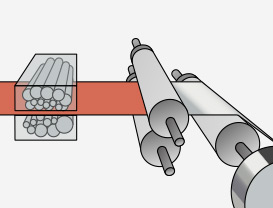
- Rolling Mill (CRM, ZRM, TRM) Oil Wiper Roll
- Achieves perfect wiping of rolling oil
- No residual oil on strip edges after coiling
- Increases productivity and reduces costs by reducing coil misalignment rates
- Prevents oil splashing around the rolling mill, enhancing safety
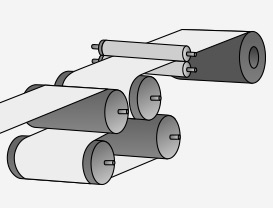
- The high friction coefficient ensures excellent adhesion to the strip, preventing slip even at speeds of approximately 1,600 mpm.
- Exceptional durability due to high shear stress.
- Friction coefficient comparison:
Non-Tex Roll: 0.28 (Dry), 0.24 (Wet)
Rubber & Urethane Roll: 0.16 (Dry), 0.08 (Wet) - Shear stress comparison:
Non-Tex Roll: 1,280 kg/cm²
Rubber & Urethane Roll: 600–700 kg/cm²
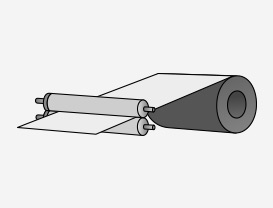
- Roll designed to apply oil onto the surface of the strip
- By adjusting the disk insertion density, rolls with lower surface hardness can be produced
- The surface hardness can be fine-tuned based on the desired oil application volume
- Non-Tex Rolls (Pinch Roll, Wringer Roll, Feeder Roll) used in the washing units of OEM manufacturers
- Utilization of OW90H Non-Tex fabric through a technical partnership with Toho Yogyo (Japan)
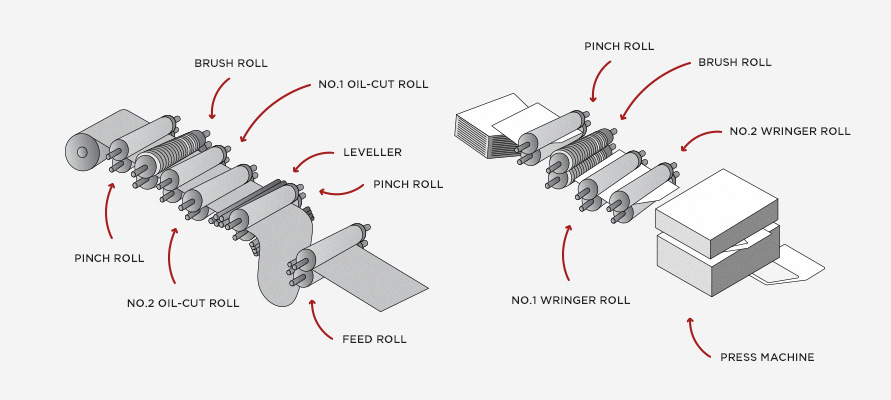
Manufacturing Process
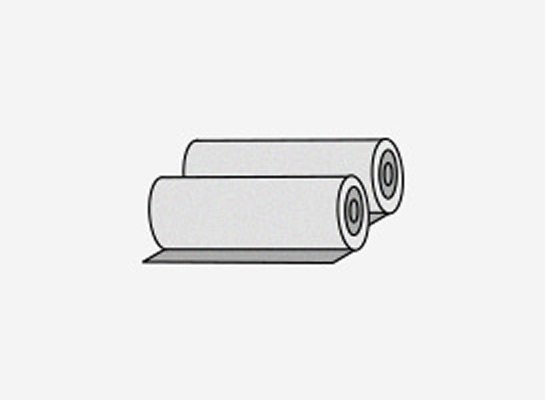
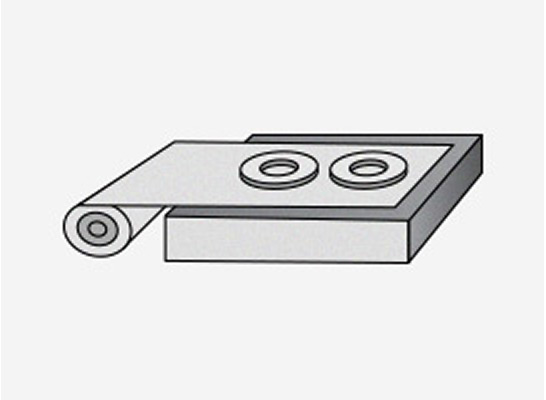
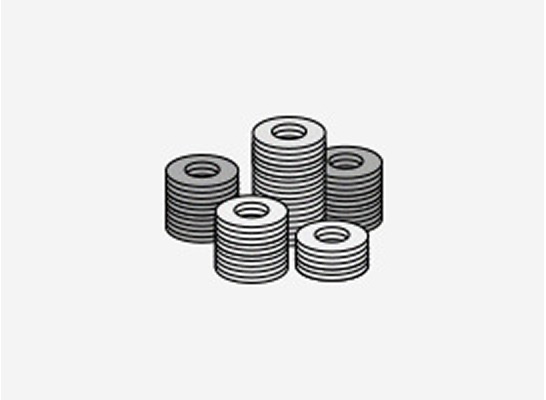
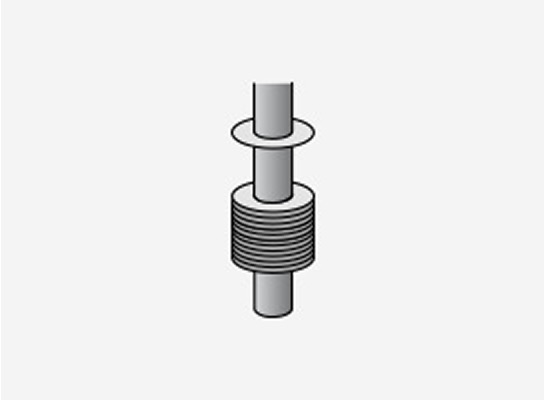
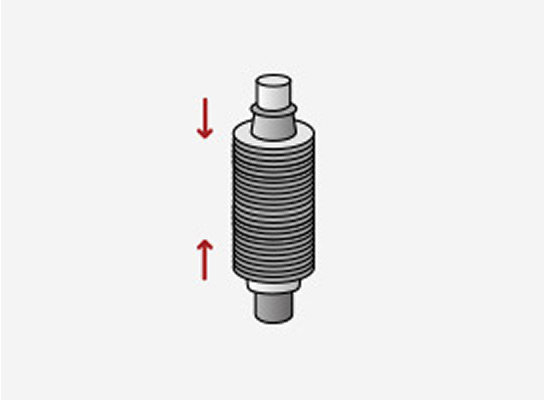
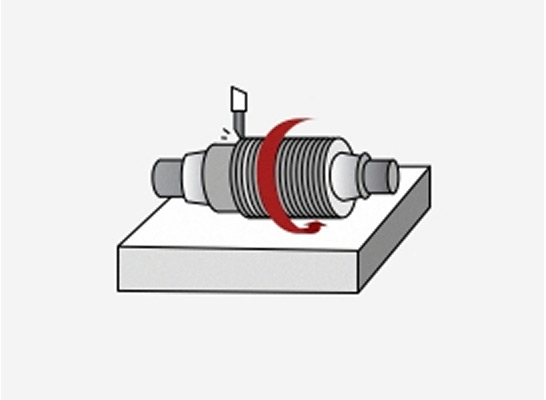
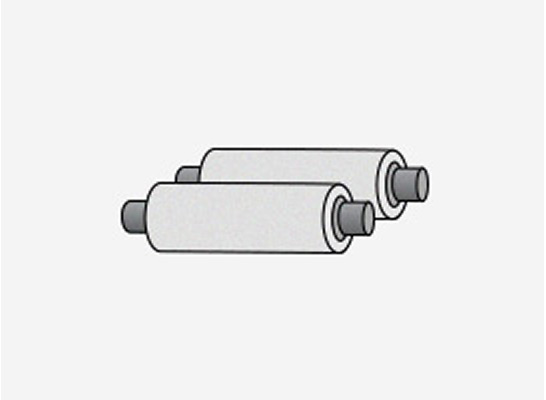
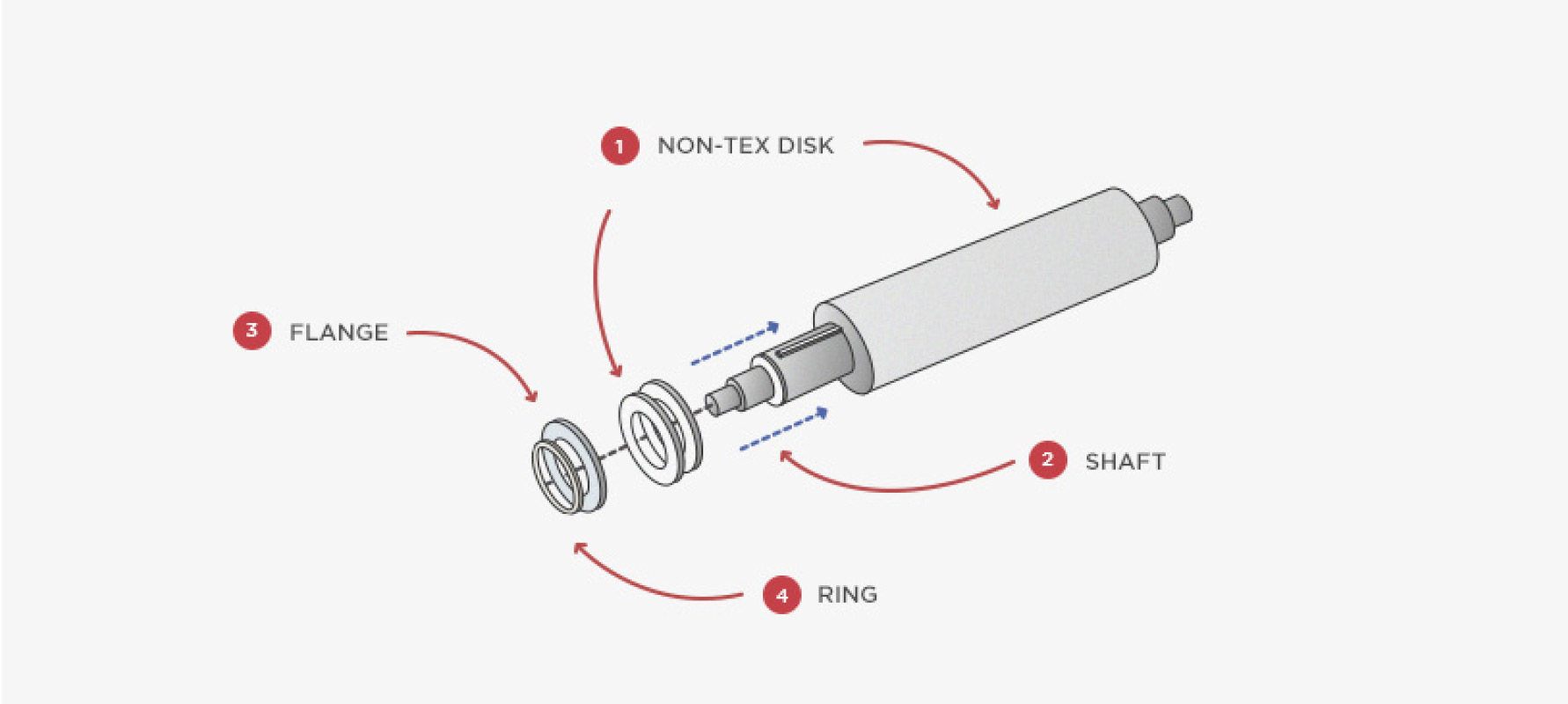
Product Structure
- Non-Woven Disk: Each disk is compressed individually, and the roll surface contacts the strip during operation
- Shaft: Metal roll shaft secured in bearings during use
- Flange: Compresses and fixes the non-woven disks onto the shaft
- Ring: Functions as a stopper
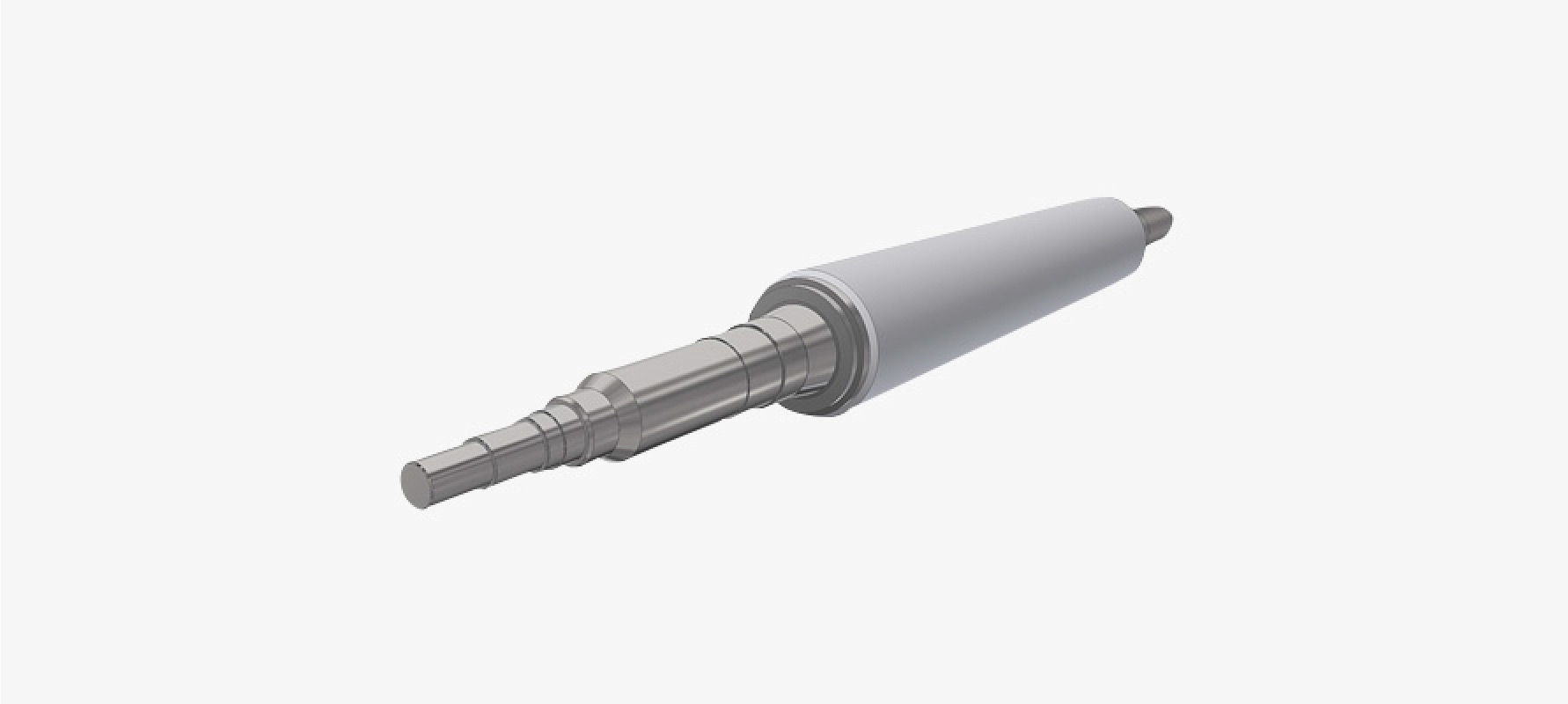
Vacuum Roll
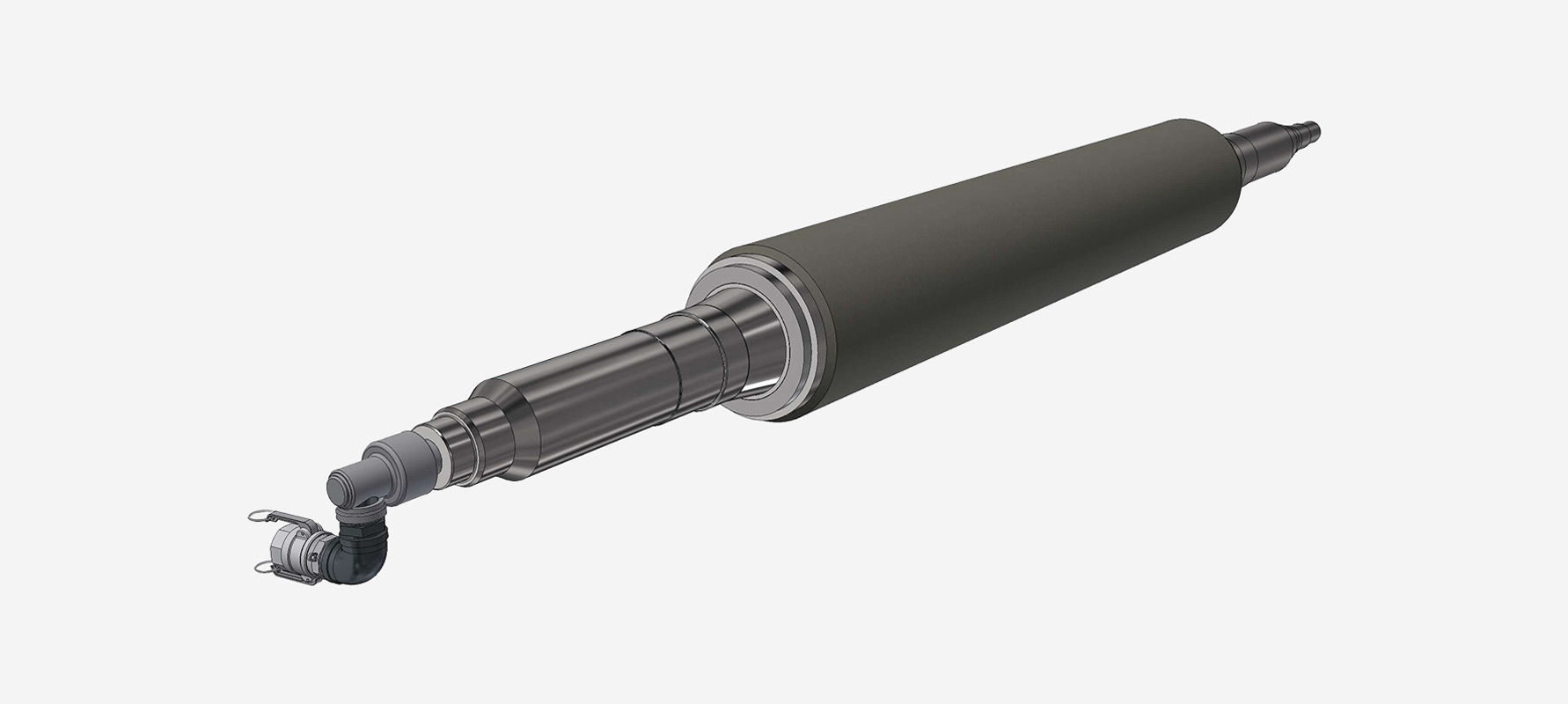
Total vacuum system that connects the vacuum pressure formed by the vacuum pump to the roll and allows the solution on the roll surface to be absorbed and discharged
Product Principle
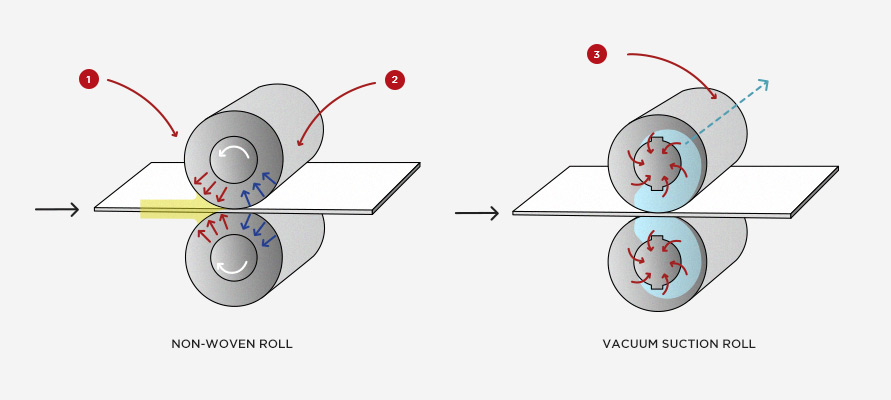
Unlike conventional Non-Woven Rolls, which rely on surface pressure to achieve wringing through suction and discharge, the Vacuum Suction Roll utilizes a hollow shaft structure. This design evenly distributes the negative vacuum pressure inside the shaft across the entire surface, enabling efficient absorption of the solution. As a result, the Vacuum Suction Roll offers significantly superior wringer performance compared to traditional Non-Woven Rolls.
※ Applicable Rolls: Wringer Roll, Squeeze Roll, Wiper Roll
- The roll compresses to expel the solution contained within it.
- As the roll returns to its original state, it absorbs the residual solution from the strip.
- The absorbed solution is then expelled through the piping located on the side of the shaft.
Expected Benefits
-
Clean Surface
- Enables complete absorption of solution in the edge areas, which was previously restricted with Rubber Roll / Non-Woven Roll.
- Significantly reduces solution residue on the strip surface (below 1g/m²).
- Allows the use of the maximum spraying volume of cleaning oil, which was previously limited due to residue on the strip surface, thereby enhancing strip surface quality.
-
Efficiency
- Achieving complete removal of liquid from the strip surface, thereby maximizing production efficiency through extended roll exchange intervals (Line Speed Up).
-
Saving
- The cleaning oil/solvent suctioned by the vacuum roll can be reused, leading to a reduction in solvent replenishment and replacement costs.
- Reduction in electricity and steam consumption by eliminating the need for air blowers and dryers at the rear of the vacuum roll.
- Lower maintenance costs resulting from the extended lifespan of the wringer roll at the front.
- Decreased opportunity costs associated with line downtime due to longer roll exchange intervals.
-
Safe / Clean
- Elimination of solvent residue and splashing, improving the work environment and reducing safety risks.
- Improved factory conditions by discontinuing air knives on strip edges, reducing splashing and noise.
Application Lines
-
Steel and Nonferrous Metals
- CAL, CGL, CCL, STS APL, BAL and other continuous production lines requiring complete solution control at Spot : Degreasing, SPM, TL, Final Rinse exit
- Wiper Rolls used in Rolling Mill processes such as ZRM and TRM
- Film and foil ultra-thin strip production lines
-
Automotive
- Washing Unit Final Roll within Press Lines
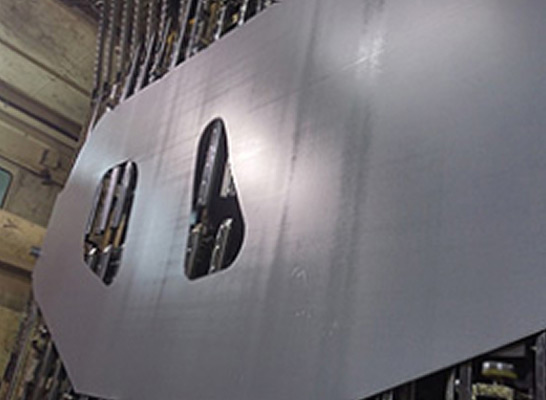
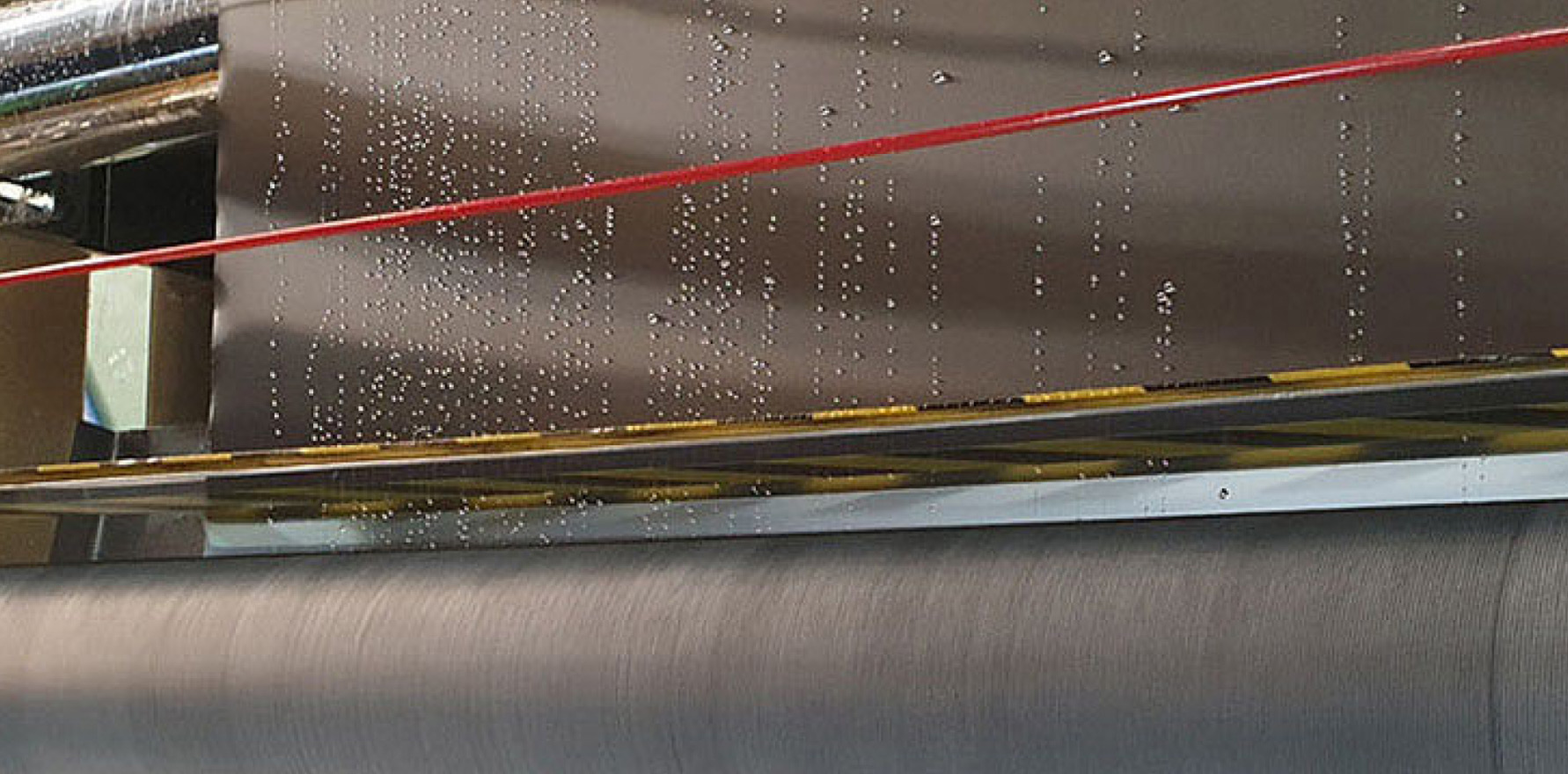
(General Non-Woven Roll Used)
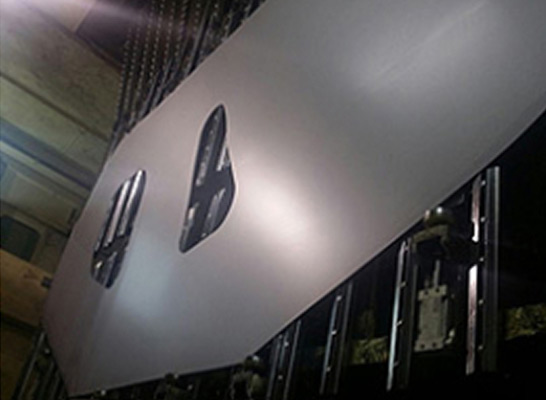
(Vacuum Suction Roll Applied)
High-Temperature Non-Woven Roll
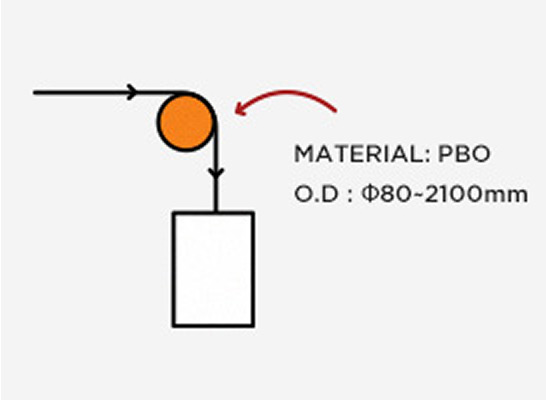
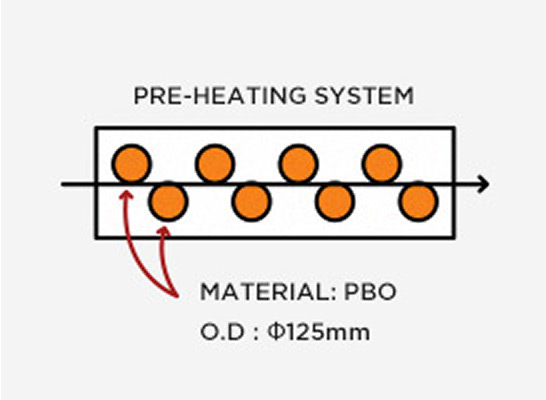
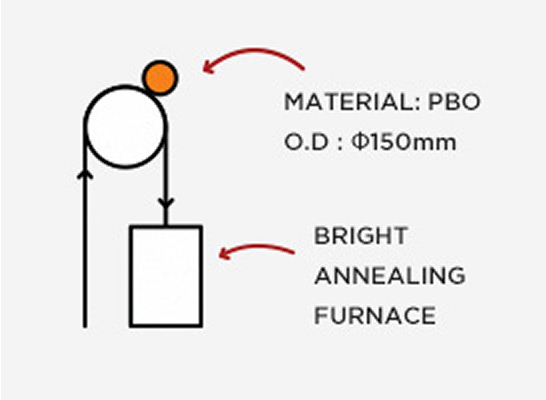
Manufactured using special high-performance non-woven materials, this Non-Woven Roll is suitable for various applications in high-temperature zones (Max 400°C).
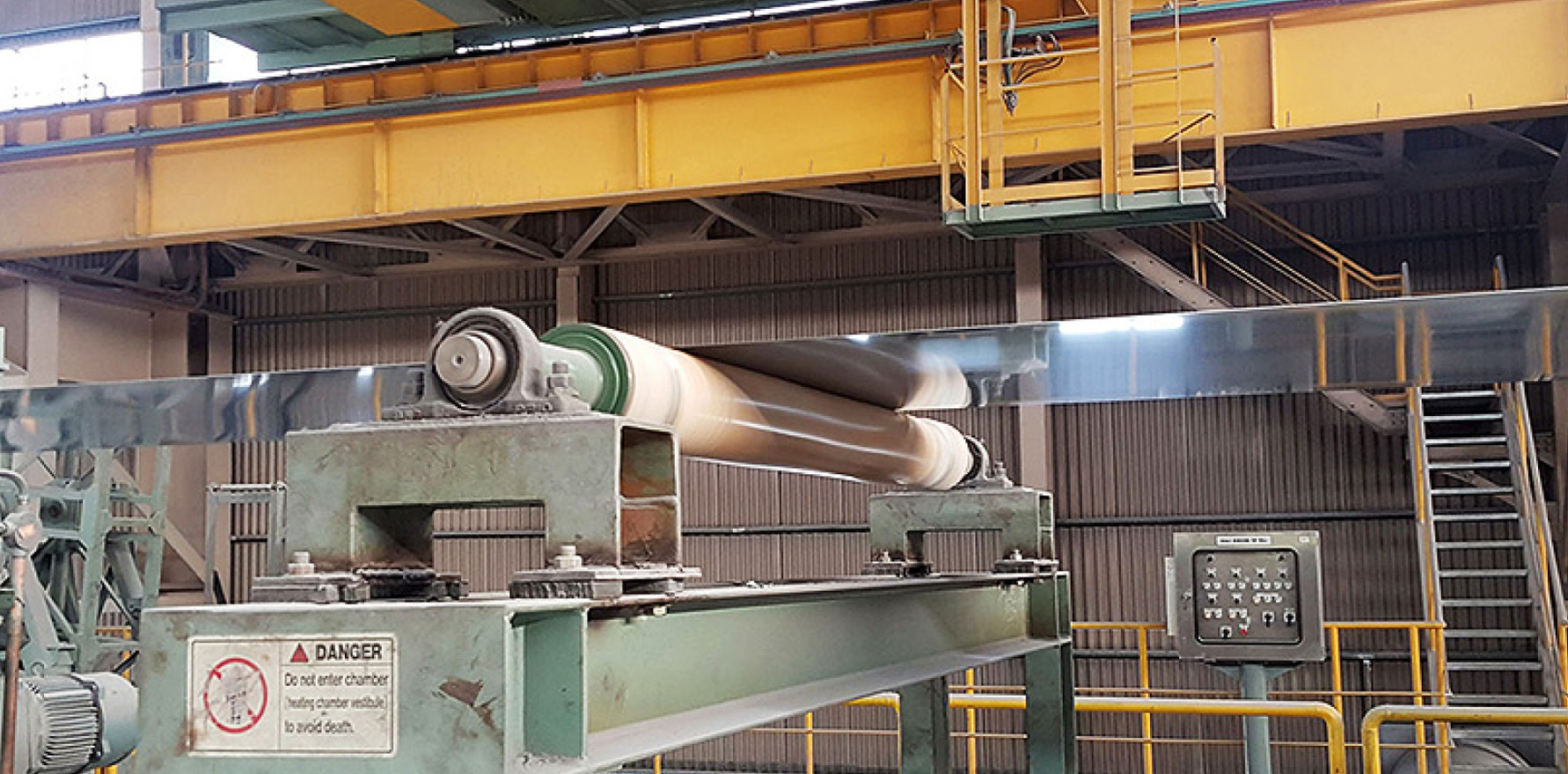
Product Features
The strength and heat resistance of aramid fibers allow use in rolls requiring excellent thermal resistance and abrasion resistance.
-
Excellent Heat Resistance
- Maintains more than 50 percent of its room-temperature strength at 250°C, with a thermal decomposition point of 500°C.
-
High Abrasion Resistance
- Can be applied as a countermeasure against wear on guide rolls caused by contact with strip edges.
-
Secured Friction Coefficient
- Effective as an anti-slip solution for CPC Rolls, enabling stable operation at high line speeds.
High-Temperature Non-Woven Roll Materials Type
| Material | Applications | Operating Temperature |
|---|---|---|
| PBO | Heat resistance, abrasion resistance | -400℃ |
| Para Aramid | Heat resistance, abrasion resistance | -250℃ |
| Meta Aramid | Heat resistance, abrasion resistance | -250℃ |
Application Line
- Heat-resistant applications (examples)